
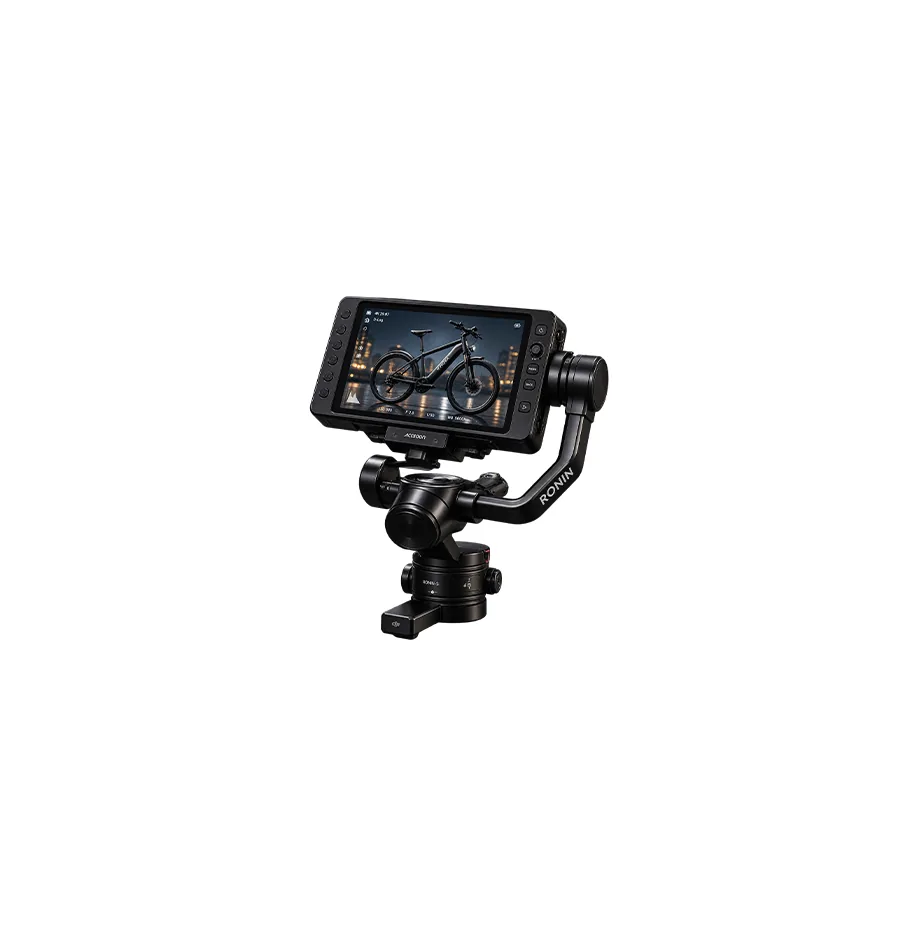
NØVA Mobility
Brand strategy, identity, campaign, web experience, social media and production within one 360° communication system.
View projectProject detail in English


Brand strategy is the work of deciding who the brand is for, what it should mean, what makes it preferable and how that position should guide messaging, identity and growth. It creates decision criteria before execution begins.
For UK organisations operating across London, Manchester, Birmingham, Leeds or nationally, the challenge is often not lack of activity but too many competing messages, audiences or offers. We reduce that ambiguity into a usable framework.
Ali TarhanFounded in 2005 · Strategy, design and digital productionAbout us
We begin with the real decision: reposition an established business, clarify a new offer, define a portfolio, enter a market, name a product or align leadership around one customer proposition. Research is then designed to support that decision rather than collected because it looks thorough.
Audience, competitor, category and internal evidence are compared to find where the brand can make a meaningful and defensible choice. The output needs to be specific enough to influence sales language, website architecture, identity and campaign priorities.
Messaging is part of the strategic system. Value proposition, proof, key messages, tone and audience emphasis turn the positioning into language teams can actually use after the project ends.
The projects below link to published work and its stated scope. They help you assess creative and implementation quality; campaign budgets, conversion rates and ranking improvements are not implied by these examples.
Brand strategy, identity, campaign, web experience, social media and production within one 360° communication system.
View projectProject detail in English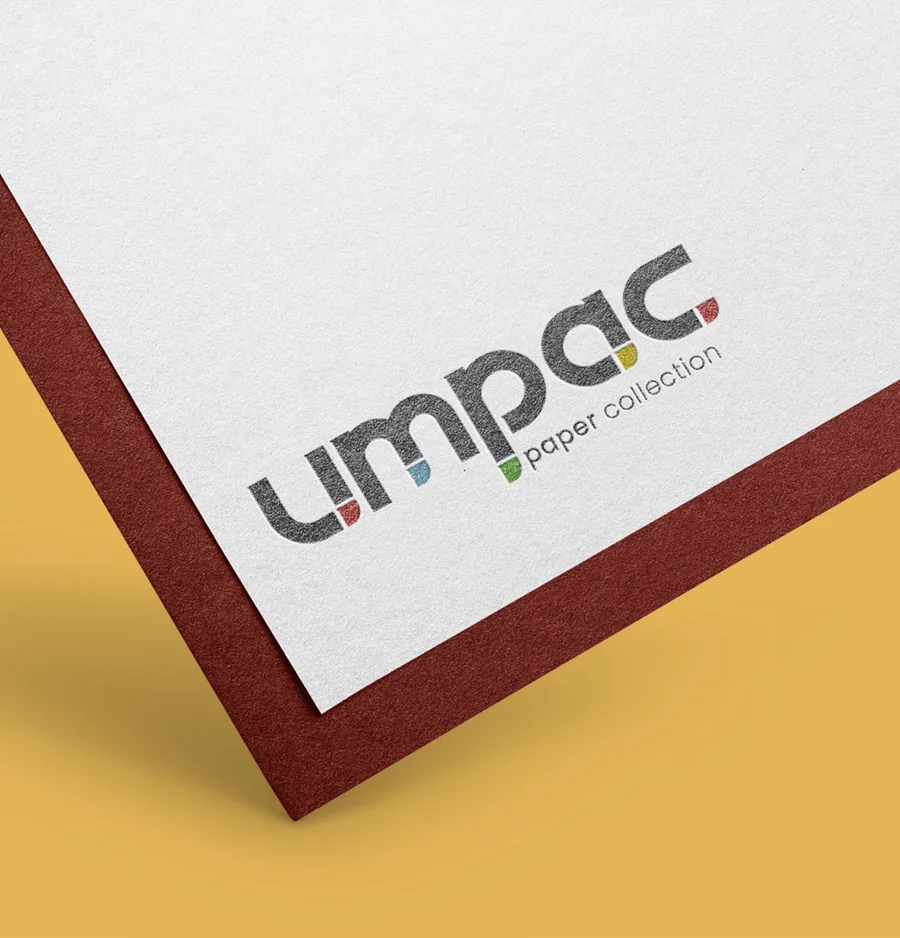
New logos for brands within the Umur Group, creating a clearer identity system.
View projectProject detail in English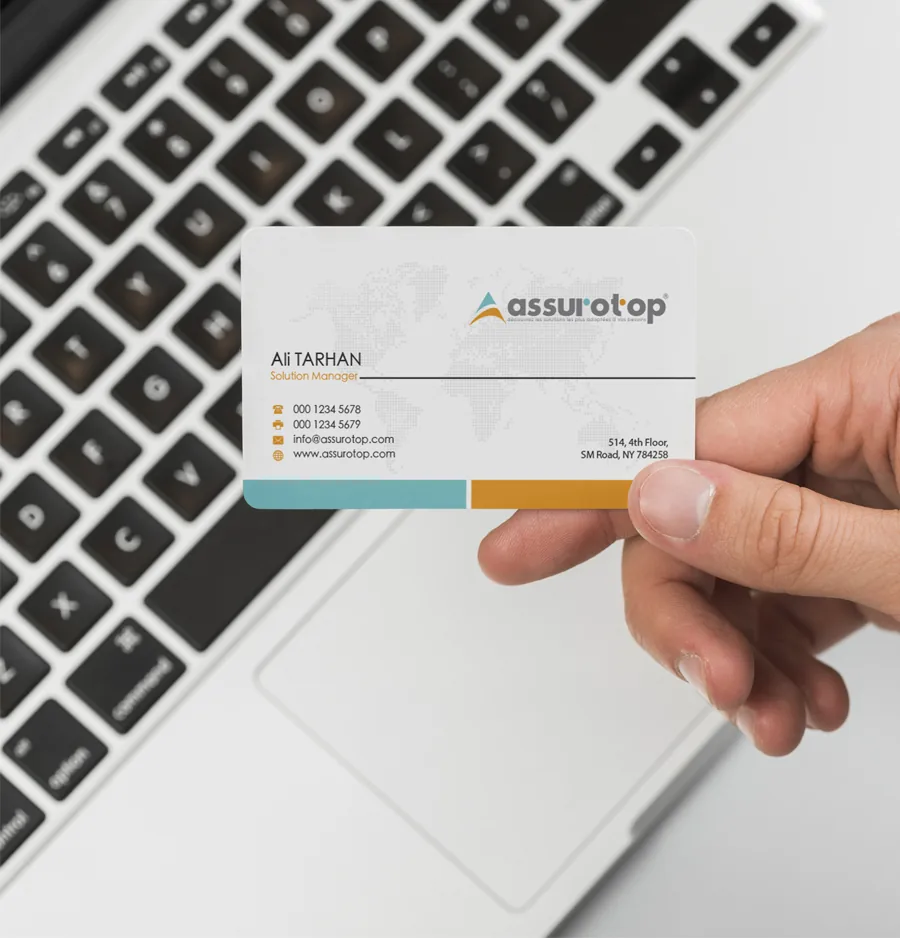
Logo and corporate identity developed following an enquiry from France, including physical brand applications.
View projectProject detail in EnglishA useful proposal identifies the deliverables, languages, revision stages, approval owners, schedule and usage rights. Production, media, licences and third-party costs are itemised separately, and changes to the agreed scope are approved before additional work.
Tell us what the business needs to change, which audience and market matter, what already exists, and who will approve the work. A launch date and an indicative budget help us propose a realistic scope.
The scope is built around the problem, not around a pre-filled package. The following capabilities can be combined where they are genuinely required.
Current offer, messaging, identity, customer perception, competitor language and internal inconsistencies reviewed.
Target audience, frame of reference, value proposition, differentiators and proof translated into a usable position.
What changes — and what should not change — when the brand enters UK, UK or wider international markets markets.
Naming criteria, shortlist development, message hierarchy, tone and key phrases where the project requires them.
Masterbrand, sub-brand, service, product and endorsement relationships simplified for customers and teams.
A decision document that guides identity, website, sales, campaign and content work after consulting ends.
Brand strategy is the right starting point when teams disagree about audience, value proposition, portfolio, naming or competitive position. Solving those decisions first makes every downstream design and marketing investment easier to judge.
If the strategy is already clear and the issue is simply an outdated visual identity, branding can begin directly without creating an unnecessary strategy phase.
International businesses preparing to enter UK, UK or international markets markets.
Established companies whose product/service portfolio has become difficult to explain or sell consistently.
New ventures needing naming, positioning and messaging before logo and website investment.
If strategic decisions are already approved and the need is visual identity execution, the Branding Agency engagement is more direct.
There is no useful single price without a defined scope. The commercial proposal should show which decisions, deliverables, production responsibilities and third-party costs are included so different suppliers can be compared on the same basis.
Can leadership explain who the brand is for, what it promises and why it deserves preference in one consistent way?
Does the position rely on a meaningful competitive choice rather than generic quality claims?
Can sales, design and marketing teams use the strategy to make faster everyday choices?
Can the positioning support new products, audiences or international markets expansion without constant redefinition?
UK growth is not one market. London, Manchester, Birmingham and Leeds combine different sectors, competition levels and buying journeys.
At briefing we agree the target audience, working language, review times and delivery formats. Campaign or website requirements may vary by sector and market; physical production and local supplier responsibilities are scoped separately.
Ali Tarhan Digital Atelier works internationally and does not claim a physical UK office. Strategy, design, search and campaign work can be led remotely. When a project requires local filming, printing, venue access, regulated approval or another physical-market responsibility, that requirement is defined separately and handled with the client or appropriate UK-based suppliers.
London combines global finance and professional services with technology, creative industries, life sciences, property, hospitality and international headquarters. Competition is dense, buyers compare quickly and the standard of proof, brand presentation and digital experience is high. Global competition makes generic category language easy to ignore. Finance, professional services, tech, property and premium brands often need sharper segmentation and proof to create a position that is both credible and distinctive.
Greater Manchester has strong digital, creative and media clusters alongside e-commerce, fintech, cyber, advanced manufacturing and health innovation. The market rewards clear propositions that can work for fast-growing companies as well as established regional and national brands. Fast-growth digital, media, technology and consumer businesses may need strategy to keep pace with expansion. Positioning, naming and architecture can prevent the offer from becoming harder to understand as products or audiences multiply.
Birmingham and the wider West Midlands combine business, financial and professional services with advanced manufacturing, life sciences, clean energy, retail and a growing creative and digital economy. B2B credibility and commercial clarity often matter as much as visual impact. Established manufacturing and professional organisations can carry strong reputation but fragmented messaging. Strategy can modernise the proposition without discarding the credibility built through years of delivery.
Leeds has a large financial, legal and professional-services base together with digital, technology, health, retail and B2B growth sectors. Buyers frequently need communications that build trust early and give complex services a simpler route to enquiry. Finance, legal, health and B2B brands often compete on expertise and trust. A clearer proposition and message hierarchy can make specialist capability easier for non-expert buyers to compare.
Typical outputs include audience priorities, positioning, value proposition, differentiators, brand architecture, messaging, tone and an activation roadmap. The exact deliverable set follows the business decision being made.
No. Brand strategy defines the commercial and verbal foundation. Branding creates the visual identity system that expresses that strategy.
Yes. Naming can include territories, criteria, shortlists and rationale. Trademark clearance and legal registration need to be handled through appropriate legal or intellectual-property specialists unless separately agreed.
Enough to support the decision. The scope can combine stakeholder interviews, customer evidence, competitor/category review and existing data without adding research that will not change the outcome.
Yes. Positioning can be reviewed against UK customer expectations, category conventions and competitive alternatives before identity, website or campaign work begins.
Yes. Workshops, interviews, document review and decision sessions can be run remotely. We do not claim a physical UK office.
Our team works from Istanbul. For projects in the UK, we agree the working language, decision makers, review times and delivery formats at the briefing stage. Shooting, printing, permits, media booking and other local services are scoped separately with responsibilities agreed before commitment.
The price follows the approved scope; media spend and external production are separate.
Tell us what the business needs to change, which audience and market matter, what already exists, and who will approve the work. A launch date and an indicative budget help us propose a realistic scope.




Your contact details are used to respond to your enquiry and discuss the project.

