
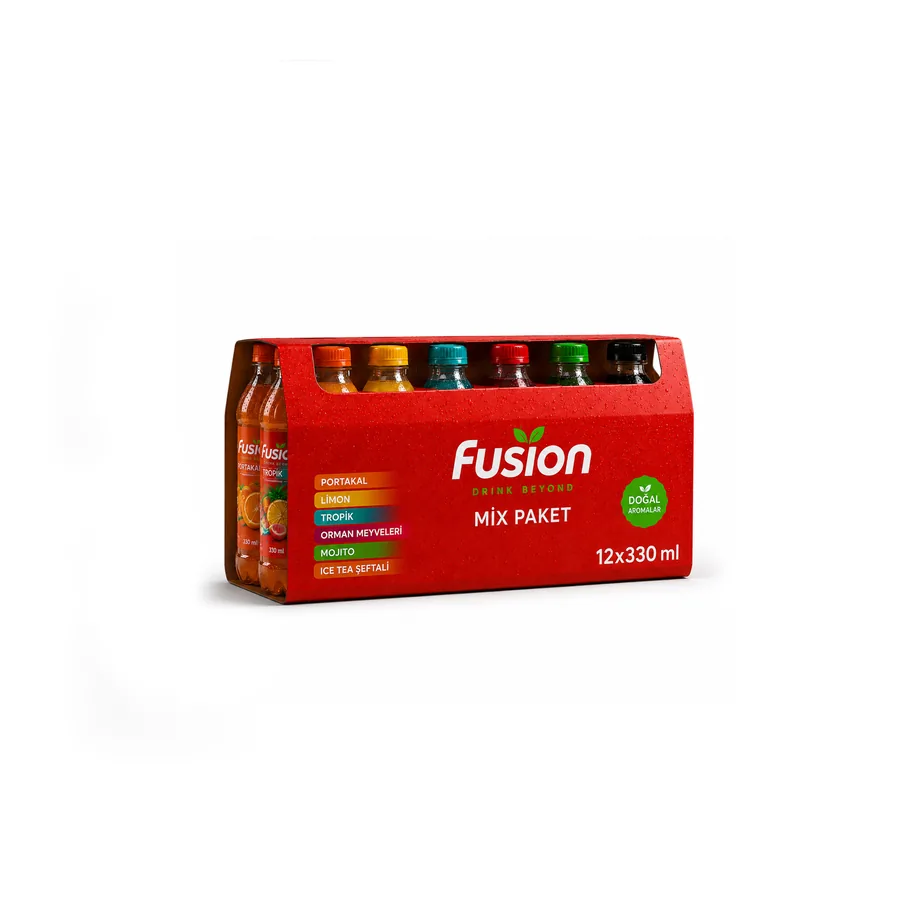
Fusion Drink Beyond
A product identity and packaging system developed with a playful visual language.
View projectProject detail in English


Packaging has to communicate brand, product, variant and key information within seconds while still working with real dielines, materials and print constraints. We treat the front, sides and back panel as one information system.
For UK retail, food, beauty, lifestyle and B2B products, range architecture becomes especially important when more SKUs, channels or retailers are added. The design needs rules that can scale without making every new pack a redesign project.
Ali TarhanFounded in 2005 · Strategy, design and digital productionAbout us
We define what the buyer must notice first, what distinguishes the variant and which mandatory or supporting information belongs elsewhere. That hierarchy guides typography, colour, claims, imagery and the relationship between master brand and product name.
The system is then tested across the range. A strong hero pack can still fail if the second or tenth SKU becomes confusing. We build variant logic, naming space and layout rules so the design survives line extensions.
Production reality is part of design. Dielines, print processes, finishes, barcodes, legal copy and supplier specifications are integrated into the artwork workflow with responsibilities made clear in the proposal.
The projects below link to published work and its stated scope. They help you assess creative and implementation quality; campaign budgets, conversion rates and ranking improvements are not implied by these examples.
A product identity and packaging system developed with a playful visual language.
View projectProject detail in English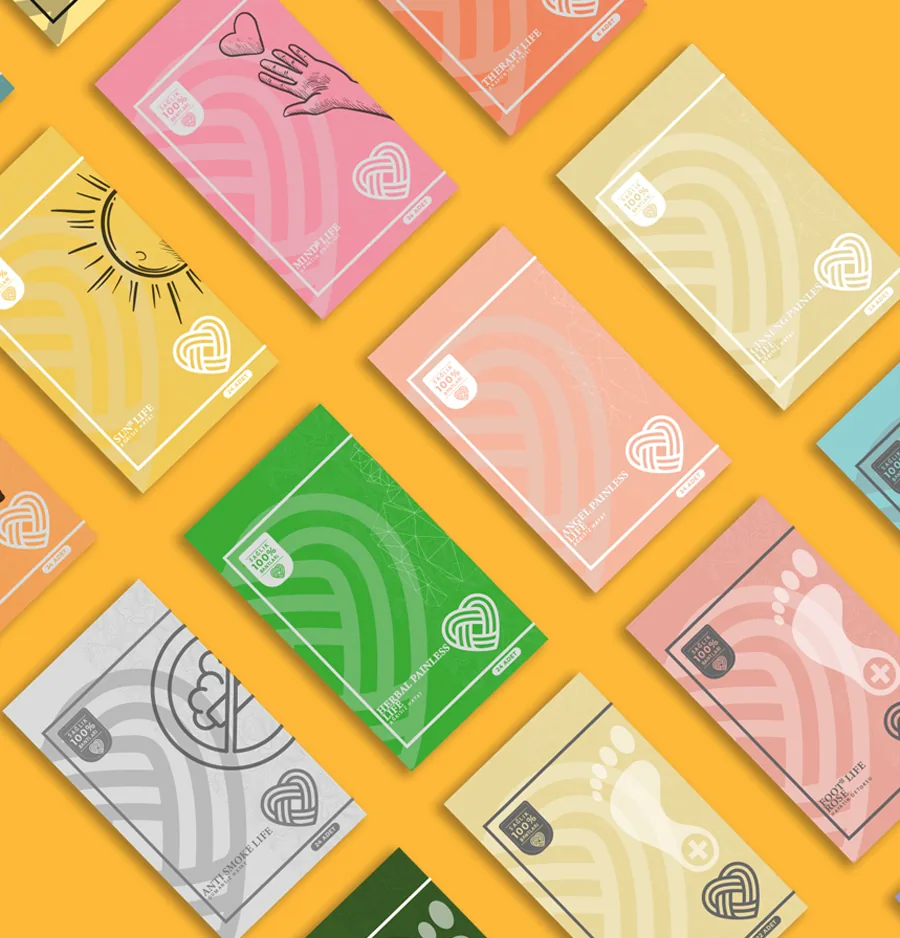
Product naming and a colourful packaging system developed across 50 concepts.
View projectProject detail in English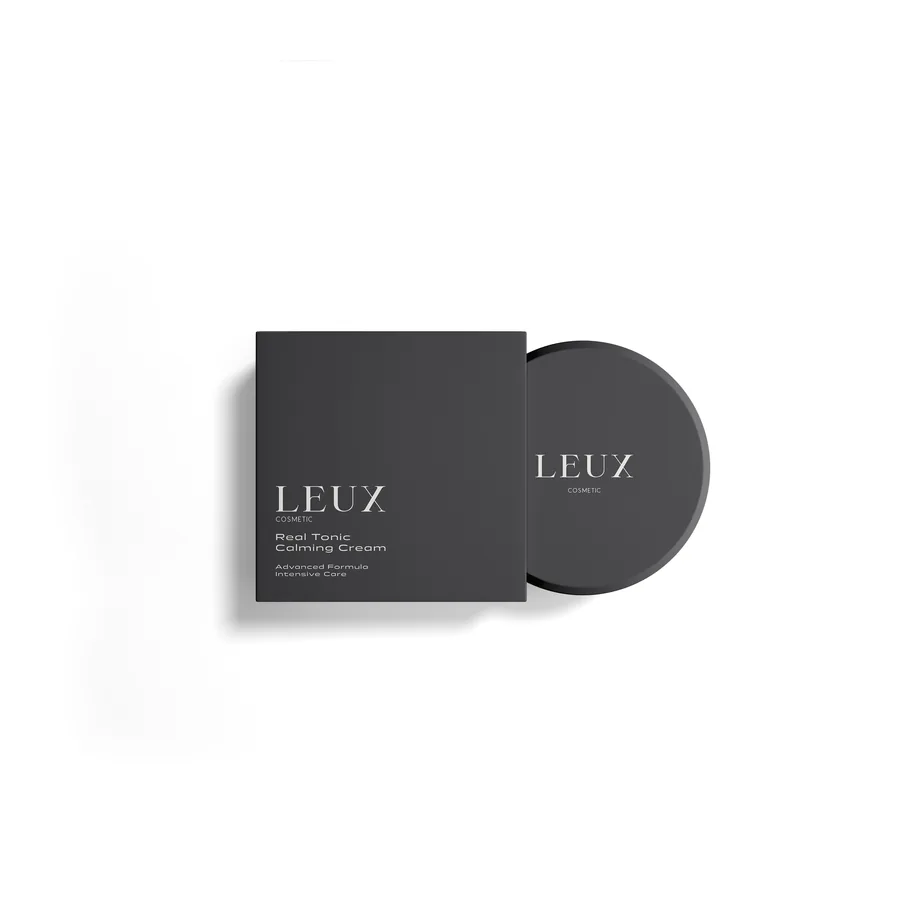
A useful proposal identifies the deliverables, languages, revision stages, approval owners, schedule and usage rights. Production, media, licences and third-party costs are itemised separately, and changes to the agreed scope are approved before additional work.
Tell us what the business needs to change, which audience and market matter, what already exists, and who will approve the work. A launch date and an indicative budget help us propose a realistic scope.
The scope is built around the problem, not around a pre-filled package. The following capabilities can be combined where they are genuinely required.
Front, side and back information hierarchy planned across the full product family.
Artwork systems for cartons, labels, sleeves, pouches, bottles, jars or other agreed formats.
Colour, flavour, size and product-level coding designed to remain clear without fragmenting the brand.
English/additional-language or multi-language information zones planned around approved copy and required reading order.
Approved design adapted to supplier dielines with bleed, safe areas, folds, cuts and finishing notes.
Production files checked against confirmed print process, colour, material and finishing specifications before release.
This service is strongest when brand, information hierarchy and multiple product variants need to be solved together. It is also useful when a range has grown inconsistently and needs a clearer master system before new SKUs are added.
If the product naming, positioning or master brand is still undecided, resolving strategy or identity first prevents the packaging from carrying too many unresolved decisions.
New FMCG, food, beverage, beauty or wellness products entering UK retail or e-commerce.
Existing product families that have grown into inconsistent SKUs and need one coherent packaging system.
International brands adapting pack hierarchy or language architecture for UK and international rollout.
Packaging compliance is not legal advice. Required regulatory text, claims and category approvals must be confirmed by the client and appropriate UK specialists.
There is no useful single price without a defined scope. The commercial proposal should show which decisions, deliverables, production responsibilities and third-party costs are included so different suppliers can be compared on the same basis.
Can the shopper identify brand, product, variant and key benefit quickly?
Do multiple SKUs look related while remaining easy to distinguish?
Are multilingual, regulatory and barcode zones readable without overwhelming the pack?
Can the chosen printer or manufacturer use the supplied artwork without preventable technical ambiguity?
UK growth is not one market. London, Manchester, Birmingham and Leeds combine different sectors, competition levels and buying journeys.
At briefing we agree the target audience, working language, review times and delivery formats. Campaign or website requirements may vary by sector and market; physical production and local supplier responsibilities are scoped separately.
Ali Tarhan Digital Atelier works internationally and does not claim a physical UK office. Strategy, design, search and campaign work can be led remotely. When a project requires local filming, printing, venue access, regulated approval or another physical-market responsibility, that requirement is defined separately and handled with the client or appropriate UK-based suppliers.
London combines global finance and professional services with technology, creative industries, life sciences, property, hospitality and international headquarters. Competition is dense, buyers compare quickly and the standard of proof, brand presentation and digital experience is high. Premium consumer, beauty, food, hospitality and lifestyle brands often need packaging that signals value immediately while remaining distinctive in crowded retail and e-commerce environments.
Greater Manchester has strong digital, creative and media clusters alongside e-commerce, fintech, cyber, advanced manufacturing and health innovation. The market rewards clear propositions that can work for fast-growing companies as well as established regional and national brands. DTC, retail and growing consumer brands benefit from modular pack systems that can expand quickly into new variants, bundles and digital product imagery without losing recognition.
Birmingham and the wider West Midlands combine business, financial and professional services with advanced manufacturing, life sciences, clean energy, retail and a growing creative and digital economy. B2B credibility and commercial clarity often matter as much as visual impact. Manufacturing and product businesses often bring stronger technical constraints, material choices or B2B information requirements. The design needs to balance production efficiency with a clearer market presentation.
Leeds has a large financial, legal and professional-services base together with digital, technology, health, retail and B2B growth sectors. Buyers frequently need communications that build trust early and give complex services a simpler route to enquiry. Food, health, retail and established regional brands may need range architecture that supports both trust and modernisation. Information hierarchy and SKU differentiation become central as the portfolio grows.
Depending on scope: pack architecture, concept routes, label/box design, variant system, typography, imagery, production artwork and a range guide for future SKUs.
Yes. Labels, cartons, sleeves, pouches, boxes and other formats can share the same master architecture where the product range requires it.
Yes when final dielines and supplier specifications are available. Responsibility for legal or regulatory copy remains with the client or appointed specialist unless explicitly agreed otherwise.
Yes. We can audit current recognition, hierarchy and SKU logic, then refresh the system while preserving useful brand equity.
Yes, if localisation, language, claims and production differences are planned in the architecture. Each market’s mandatory requirements must still be verified separately.
Scope depends on concept depth, number of formats/SKUs, illustration or photography, production artwork and how many supplier-ready adaptations are needed.
Our team works from Istanbul. For projects in the UK, we agree the working language, decision makers, review times and delivery formats at the briefing stage. Shooting, printing, permits, media booking and other local services are scoped separately with responsibilities agreed before commitment.
The price follows the approved scope; media spend and external production are separate.
Tell us what the business needs to change, which audience and market matter, what already exists, and who will approve the work. A launch date and an indicative budget help us propose a realistic scope.




Your contact details are used to respond to your enquiry and discuss the project.

