

Branding Agency in Ireland
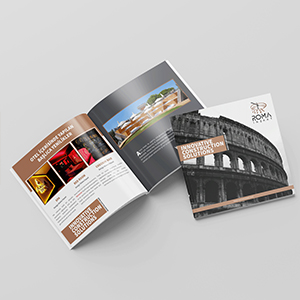
Brand identities designed as systems that can stay recognisable across every important touchpoint.
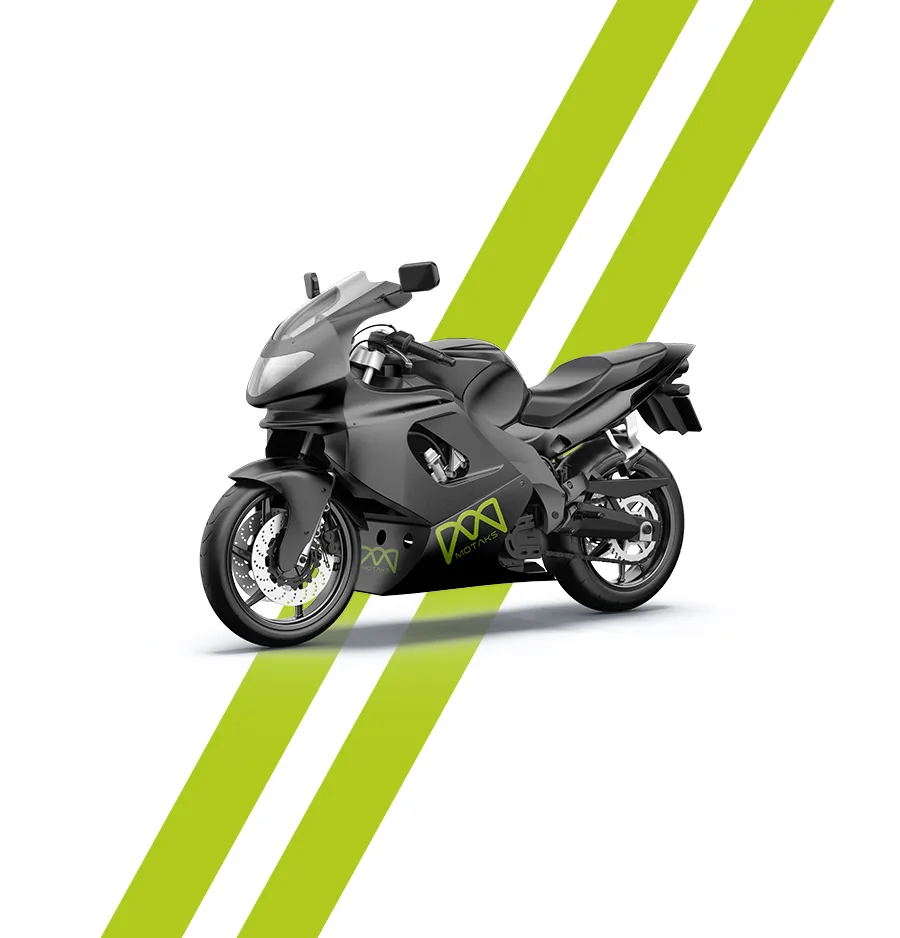
A brand identity needs more than a logo. We define the visual logic — typography, colour, image direction, layout behaviour, logo use and supporting assets — so teams can apply the identity consistently after launch.
For Dublin businesses competing in technology, finance, hospitality, health, professional services and consumer markets, a coherent identity helps the proposition feel more credible before the sales conversation even begins.
On this page
Ali TarhanFounded in 2005 · Strategy, design and digital productionAbout us
Approach
Brand identity starts with what the business needs to signal before we draw the mark
We clarify the business context, target audience, competitive landscape and the impression the brand needs to create. The visual work then has criteria: distinctive enough to be remembered, credible enough for the category and flexible enough for real applications.
Logo design is only one component. Typography, colour, image style, layout, iconography and motion behaviour can become more important in day-to-day communication because they determine whether every touchpoint still feels like the same brand.
Guidelines are written for use, not for display. We focus on repeatable rules, examples and boundaries that help websites, presentations, social content, packaging and campaign work remain coherent after handover.
Decision Model
A visible model for the decisions behind the work
Identity system
LOGO
SYSTEM
ColourTypographyApplicationsVisual LanguageSYSTEM
Relevant projects
The projects below link to published work and its stated scope. They help you assess creative and implementation quality; campaign budgets, conversion rates and ranking improvements are not implied by these examples.
Our responsibilities
A useful proposal identifies the deliverables, languages, revision stages, approval owners, schedule and usage rights. Production, media, licences and third-party costs are itemised separately, and changes to the agreed scope are approved before additional work.
Project brief
Tell us what the business needs to change, which audience and market matter, what already exists, and who will approve the work. A launch date and an indicative budget help us propose a realistic scope.
Service Scope
What the engagement can include
The scope is built around the problem, not around a pre-filled package. The following capabilities can be combined where they are genuinely required.
Visual direction
Mood, category codes, competitive visual audit and creative territory defined before logo execution.
Logo system
Primary, secondary, responsive and practical logo configurations built for real use cases.
Typography & colour
Font hierarchy, colour system and accessibility/production considerations documented for teams.
Image & graphic language
Photography direction, graphic devices, iconography, pattern or motion principles where relevant.
Multilingual-ready identity
Irish and English lock-up and typography considerations included when the audience and naming require them.
Brand guidelines & launch kit
Usage rules, templates and priority launch assets so the identity can be applied consistently after handoff.
Right Problem
When branding is the right scope — and when strategy should come first
Branding is the right scope when the business proposition and audience are sufficiently clear but the identity no longer reflects the company, lacks consistency or cannot scale across new touchpoints.
If leadership is still deciding what the brand stands for, how the portfolio should be structured or which audience/value proposition should lead, brand strategy should be resolved before visual identity begins.
Use this scope when…
New companies launching in Dublin or elsewhere in Ireland that need a credible identity from day one.
Use this scope when…
Established brands whose current logo and applications have become inconsistent across teams and markets.
Use this scope when…
International brands adapting or extending identity systems for Ireland and international audiences without losing global recognition.
Do not force it when…
If the unresolved problem is positioning, portfolio architecture or naming rather than visual identity, start with Brand Strategy & Consulting.
Working Process
A defined process from brief to measurable output
01
Discover
Understand offer, audience, competitors, ambitions and every place the identity must work.02
Direct
Agree a small number of strategic visual territories before detailed identity design.03
Design
Develop the logo system, type, colour and supporting visual language.04
Stress-test
Apply the identity to web, social, presentation, signage or packaging scenarios before approval.05
Codify
Deliver guidelines, agreed source files and priority templates for consistent rollout.Deliverables & Boundaries
Deliverables and responsibilities
- Distinctive, not decorative: The identity should create recognition in context, not just look impressive on a mock-up.
- Small-to-large resilience: Marks and type must work from mobile icons to signage or exhibition scale.
- Operational guidelines: Rules need to be usable by internal teams and future suppliers, not a presentation that nobody opens.
- Language system: English and Irish-language requirements are tested in lock-ups and layouts where part of the scope.
- Scope boundary: If the unresolved problem is positioning, portfolio architecture or naming rather than visual identity, start with Brand Strategy & Consulting.
- Scope boundary: A logo-only request can be scoped, but we will still test practical usage so the mark is not approved in isolation.
Budget & Scope
Project budget
There is no useful single price without a defined scope. The commercial proposal should show which decisions, deliverables, production responsibilities and third-party costs are included so different suppliers can be compared on the same basis.
Strategic foundationDiscovery, positioning and brand architecture add depth before the visual identity begins.
Identity scopeA logo-only engagement is smaller than a complete system covering type, colour, iconography, imagery and applications.
Naming & languageNaming, Irish and English-language considerations and linguistic checks can require additional strategic and specialist review.
Application setStationery, social templates, packaging, signage, presentations and launch assets increase the number of real-world tests.
Guidelines & rolloutThe depth of the brand book and the number of internal/external teams using it affect documentation and handover work.
Quality & Measurement
Quality and measurement
Recognition
Can the brand remain recognisable even when the logo is not the largest element?
Distinctiveness
Does the system create meaningful separation from the category rather than borrowing its most common visual clichés?
Scalability
Can the identity work across digital, physical, multilingual and future product/market extensions?
Consistency
Can internal teams and suppliers reproduce the brand accurately using the guidelines provided?
Dublin is Ireland’s largest concentration of technology, finance, professional services, research, tourism and international business. Local relevance should reflect those real buying contexts, not just repeat the city name.
Dublin & Ireland Market Context
Market and delivery
Dublin City Council describes the capital as an open, international and diversified economy with major strengths in IT, financial services, research and development, tourism, culture, health sciences, food and craft, transport and logistics. Those sectors create different expectations for proof, messaging, conversion and project delivery.
Ali Tarhan Digital Atelier works internationally and does not claim a physical office in Dublin or elsewhere in Ireland. Strategy, design, search, media and campaign work can be led remotely. When filming, printing, event access, local production or another physical-market responsibility is required, that element is scoped separately with the client and suitable Irish suppliers.
Branding Agency Dublin
Buyers are often launching, repositioning, professionalising an existing identity or preparing for growth into wider markets.
Technology & Finance
Clarity and credibility matter. Identity systems should feel distinctive without making complex businesses harder to understand.
Hospitality, Food & Consumer
Naming, personality, packaging, signage, digital experience and social presentation often need to feel like one recognisable brand world.
Professional, Health & B2B
Trust is central. The identity should make the organisation feel established and coherent while leaving room for expertise-led communication.
Agency Selection
Choosing a partner
- Ask what strategic decisions are already fixed before visual design starts.
- Compare complete identity systems, not only logo galleries.
- Require typography, colour, imagery and application rules to be included in the scope.
- Clarify source-file delivery, font licensing and trademark responsibility.
- Ask how the identity will work on websites, presentations, social and print.
- Choose a team that can explain the reason behind each route rather than presenting style options without criteria.
Frequently Asked Questions
Frequently asked questions
What is included in a branding project?
Depending on scope: discovery, logo, colour, typography, visual language, imagery direction, applications and brand guidelines. Naming and deep positioning can be added as a separate strategic scope.
What is the difference between branding and brand strategy?
Brand strategy defines positioning, audience, value proposition, architecture and messaging. Branding turns that strategic direction into a recognisable identity system and practical visual rules.
Can you refresh an existing brand without replacing the logo?
Yes. Sometimes typography, layout, imagery, colour use and application standards create enough improvement without discarding useful brand recognition.
Do you provide brand guidelines?
Yes. The depth depends on the project, from focused visual-identity guidance to a broader system covering applications and digital use.
Can you design a brand for Ireland and international markets?
Yes. We can build the core identity for an Irish audience while planning the system to support additional languages, regions and applications later.
Do you have an office in Ireland?
No physical office in Ireland is claimed. We work internationally and can lead Irish branding projects remotely, bringing in local suppliers only when physical production requires them.
Do you create only the logo or the full brand identity?
Both scopes are possible, but a stronger branding project usually defines the logo within a wider system of typography, colour, image direction, layout, applications and practical guidelines.
Work with our team
Our team works from Istanbul. For projects in Ireland, we agree the working language, decision makers, review times and delivery formats at the briefing stage. Shooting, printing, permits, media booking and other local services are scoped separately with responsibilities agreed before commitment.
The price follows the approved scope; media spend and external production are separate.
Start a Project
Need Branding Agency in Ireland support?
Tell us what the business needs to change, which audience and market matter, what already exists, and who will approve the work. A launch date and an indicative budget help us propose a realistic scope.